Serving Yuma, AZ and surrounding areas. (928) 955-4994
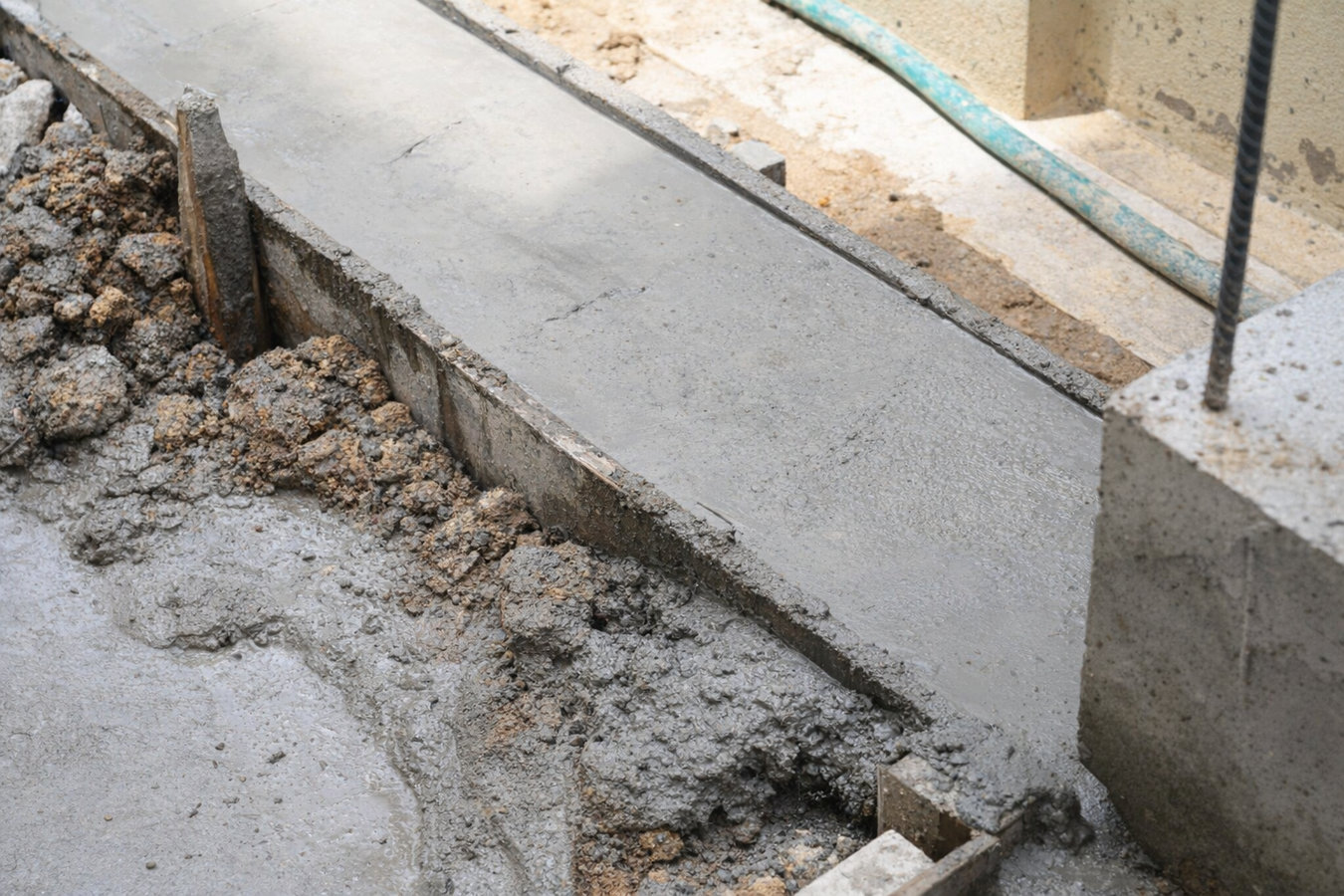
A sinking driveway, patio, or garage floor is not just an eyesore - it is a drainage and safety problem. We raise sunken slabs in Yuma without tearing out your concrete.
Foundation raising in Yuma, AZ lifts sunken or uneven concrete slabs back to their original position by filling the void beneath them - most residential jobs are finished in two to four hours with no demolition required, and you can usually walk on the surface the same day.
A contractor drills small holes through the slab, pumps material underneath to fill the void and push the concrete back up, then patches the holes when the work is done. In Yuma, the most common cause of sunken slabs is the desert soil itself - clay-rich layers expand when monsoon moisture soaks in and contract when things dry out, gradually creating the voids that allow concrete to drop. Homes near irrigation canals or agricultural land see this pattern more frequently because subsurface moisture stays in motion even when the surface looks dry. If your slab has shifted, it often connects to a broader drainage situation that our concrete cutting service can address at the same time.
The Arizona Geological Survey has documented how expansive desert soils across the region behave under moisture cycles - the shrink-swell pattern is a well-established cause of concrete movement in Yuma and surrounding areas. Understanding your specific soil conditions is the first step in determining whether raising will hold long-term.
Walk across your driveway, patio, or garage floor and notice whether it feels flat. If one section sits noticeably lower, or if water pools where it used to drain, the slab has likely shifted. In Yuma, this unevenness often appears after a monsoon season or a period of heavy irrigation nearby.
Small hairline cracks in concrete are common and not always urgent. But if a crack has grown wider since you first saw it, or if one side sits higher than the other, the slab is moving - not just settling. Take a photo now and check it again in a few weeks to track whether it is changing.
When a slab shifts, door frames and window frames can shift with it. If a door that swung freely now drags on the floor, or a window that opened easily now sticks, the foundation may be moving. This is especially worth watching in older Yuma homes where decades of soil movement have had more time to add up.
Look at the base of exterior walls, your front steps, or the garage floor where it meets the wall. A gap that was not there before - even a small one - means the slab has dropped away from the structure above it. These gaps often appear in Yuma in the fall after monsoon rains soak and then dry out the soil beneath.
Every job starts with a free on-site assessment before any price is given. We check the slab from multiple angles, look for cracks and gaps, probe for hollow spots, and assess nearby drainage conditions. From there, we recommend the right lifting method for your specific situation - the older cement-slurry approach (mudjacking) or the newer lightweight expanding foam (polyjacking), depending on slab size, void depth, and site access. Both can produce excellent results; the choice depends on what is underneath your specific slab. We also check whether the City of Yuma requires a permit for your job and handle that paperwork if so.
Our foundation raising work frequently pairs with slab foundation building when homeowners are deciding between lifting an existing slab and starting fresh. We give you an honest comparison of both options - cost, disruption, and expected longevity - so you can make the decision that makes sense for your property, not the one that is easier for us to sell.
Suits larger, heavier slabs where a dense, stable fill material provides the best long-term support.
Suits smaller areas or jobs requiring minimal hole size - lighter material, faster setup, same-day walkability.
Suits any Yuma homeowner where water pooling near the slab is likely contributing to the void - we address root cause alongside the lift.
Yuma's monsoon season - roughly mid-June through September - brings sudden heavy rains after months of extreme dryness. That rapid shift from bone-dry to saturated ground is hard on concrete slabs. The desert soil swells unevenly, voids form or worsen quickly, and many Yuma homeowners notice new settling or cracking in the fall, right after monsoon season ends. That is why fall is one of the busiest times for foundation raising work here - the pattern is predictable and repeats every year. Homes adjacent to the irrigation canal network that runs through Yuma County face an additional challenge: subsurface moisture from nearby agricultural water infrastructure keeps the soil in motion even when no rain has fallen recently.
Older neighborhoods in central Yuma - the areas around downtown and established corridors that were developed in the 1950s through 1980s - have slabs that have been through decades of this cycle. By the time a homeowner calls us, those slabs have often moved more than newer construction on the outskirts. Homeowners in Yuma, AZ and in nearby communities like El Centro, CA share similar desert soil conditions, and foundation raising is a common need across both areas.
We ask where the issue is, how long you have noticed it, and whether there are any cracks or gaps. You will hear back within one business day to schedule a free on-site visit - no commitment required.
A contractor walks the area with you, checks for cracks, gaps, and drainage issues nearby, and may probe the soil to listen for hollow spots. After this 30-to-60-minute visit, you receive a written estimate covering all work - no verbal-only quotes.
We confirm with the City of Yuma whether a permit is required for your specific job before anything begins. Clear the area of furniture, vehicles, and potted plants before the crew arrives - we bring everything else.
The crew drills small holes, pumps material beneath the slab, and checks the level throughout the lift - not just at the end. Holes are patched when the work is done. We walk the completed area with you and point out any drainage issues nearby that could cause settling to return.
We come to you, look at the slab in person, and give you a written number before you decide anything. No obligation.
(928) 955-4994Premier Yuma Concrete holds an active Arizona Registrar of Contractors license. Check it yourself at roc.az.gov before signing anything. Every job carries full liability and workers' compensation coverage.
Yuma's mix of sandy desert soil, clay-rich layers, and nearby irrigation infrastructure creates voids that behave differently than what contractors trained in other regions expect. We assess the soil before we give you a number - no surprise charges mid-job.
After the on-site visit, your written estimate covers drilling, lifting, patching, and cleanup - the number you agree to is the number you pay. If something unexpected surfaces during the assessment, you hear about it before work begins.
A rushed lift can leave your slab slightly tilted or introduce new cracks. We check level during the entire lift process so the result is a flat surface, not one that merely looks better than before. You can see the difference before we pack up.
Yuma homeowners deal with soil conditions that most concrete contractors across the country never encounter. We price those realities into every estimate from the start - no surprise charges when the crew hits something unexpected. Verify our Arizona ROC license any time before signing.
When a raised slab reveals a drainage problem beneath, precise concrete cutting can open the channel needed to route water away from your foundation.
Learn moreIf the slab is too damaged to lift, a full slab replacement gives you a fresh start with modern subgrade preparation.
Learn moreYuma's monsoon season creates new settling every year - calling now means getting the job scheduled before the fall rush hits.