Serving Yuma, AZ and surrounding areas. (928) 955-4994
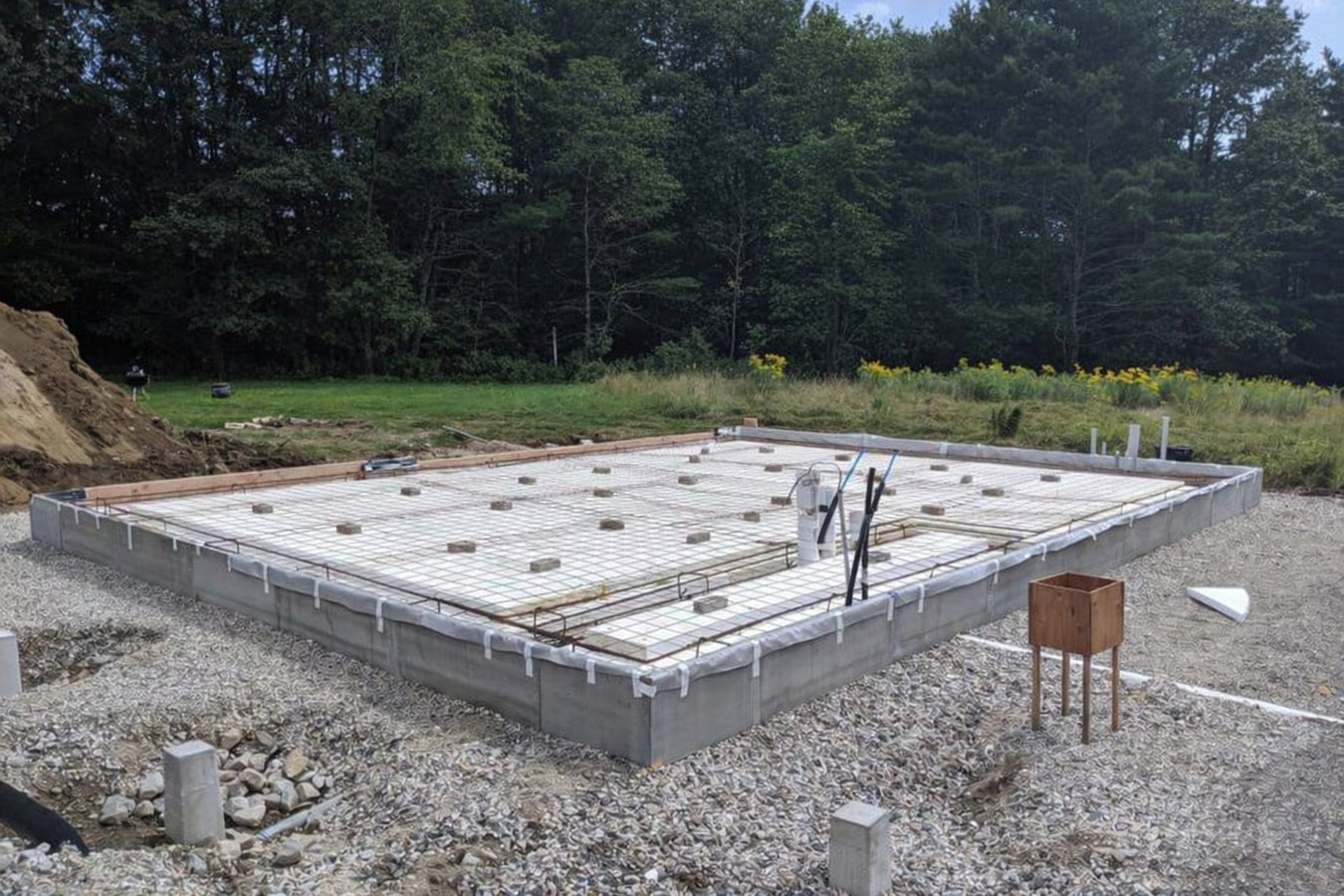
Your foundation is the one part of the build you cannot go back and fix easily. We build slab foundations in Yuma that are designed for the heat, the soil, and the permit process here.
Slab foundation building in Yuma, AZ covers grading, soil compaction, moisture barrier placement, rebar or mesh reinforcement, and a heat-managed concrete pour - most standard residential slabs require two to four days of site preparation plus one pour day, with the City of Yuma permit process adding one to two weeks before the first shovel hits the ground.
A slab foundation is a single, flat layer of concrete poured directly on prepared ground that serves as both the floor and the structural base of your home. In Yuma and across the desert Southwest, this is the standard choice for new construction - there is no crawl space or basement underneath, and the design works well in a climate where the ground rarely freezes. Premier Yuma Concrete manages the full process from permit application through final city inspection. Many builds also require concrete footings poured ahead of the slab to support load-bearing walls and exterior corners.
What separates a good slab from a poor one in Yuma often comes down to three things: how well the soil was prepared, whether the concrete was properly cured in extreme heat, and whether the pour was timed to avoid the worst of the desert sun. Getting these steps right is not optional - it is what determines whether your foundation holds steady for 40 years or starts showing problems in the first five.
If you are constructing a new home, detached garage, guest house, or large room addition in Yuma, a poured concrete slab is almost certainly what your builder or architect will specify. This is the standard foundation approach for new residential construction throughout the area.
Small hairline cracks in a concrete floor are common and often harmless. But cracks wider than about a quarter inch, or cracks where one side has shifted higher than the other, signal the slab has moved significantly. In Yuma, this kind of movement is often linked to clay soils that swell and shrink with seasonal moisture changes.
When a slab shifts or settles unevenly, the walls above it move too. That movement shows up as doors that suddenly stick, windows that no longer open smoothly, or gaps appearing at the top corners of door frames. If you notice this in multiple places at once, it is worth having a foundation contractor assess before it worsens.
If a gap has opened up between your floor and the wall at the base of a room - especially along a long stretch of wall - the slab may have dropped in that area. In Yuma's older neighborhoods, where homes have been affected by decades of irrigation and agricultural water use nearby, this kind of settling is not uncommon in structures more than 20 to 30 years old.
Our slab foundation service covers the complete scope: site grading, soil compaction to a stable base, gravel placement, plastic moisture barrier, steel rebar or welded wire mesh reinforcement, concrete forming with thickened perimeter edges, the pour itself, surface finishing, and active curing management. The thickened perimeter edge - typically 12 inches or more deep with multiple rebar runs - is where the weight of your walls and roof is actually carried, so we never skip or reduce that detail to cut costs. We also coordinate directly with your plumber to confirm all under-slab pipes are installed and inspection-approved before the pour date is set, because fixing a missed pipe after a slab is down is one of the most expensive problems a homeowner can face.
For projects that also need structural support below the slab, we frequently tie this work together with foundation installation when a deeper footing system or a more complex structural base is required by the plans. Building both in sequence means one mobilization, better coordination between trades, and a single point of accountability for all the concrete work underground.
Suits homeowners building a new single-family home on a Yuma lot, whether in a new subdivision or on an older infill parcel.
Suits homeowners adding a detached garage, workshop, casita, or large storage building that needs a code-compliant concrete floor and base.
Suits homeowners extending an existing Yuma home where the addition connects to the existing foundation and requires a new poured base.
Yuma is one of the hottest cities in the United States - summer highs regularly reach 115 degrees Fahrenheit. Pouring concrete at that temperature without the right process produces a genuinely weaker finished product: the surface can dry out before the interior has hardened, trapping air and causing cracks that appear within the first year. Add in Yuma's extremely low humidity - often below 10 percent in summer - and you have conditions that pull moisture out of fresh concrete from every direction at once. Every slab we build in Yuma is scheduled, mixed, and cured to account for these conditions directly. We also know the City of Yuma permit and inspection process well, which means inspections pass the first time and your project does not stall while waiting for a re-inspection.
The soil picture in Yuma is more complicated than in most cities. Some lots - particularly in newer subdivisions near central Yuma - sit on well-compacted desert soil, while lots closer to the Colorado River corridor and older agricultural land have clay-heavy ground that expands and contracts with moisture changes. We have also built slabs on rapidly developing parcels in areas like Casa Grande where fill soil has not fully settled, which requires extra compaction work before a pour. We assess your specific lot before quoting so the slab is designed for what is actually under your property - not just what is typical for the zip code.
We ask about dimensions, address, and what will be built on top. Most Yuma lots need a site visit before we quote, because soil conditions and equipment access affect the price. You will have a written, itemized estimate within one business day of the visit.
We submit the permit to City of Yuma Development Services in our name - not yours. Permit processing typically takes a few business days to two weeks. We build that window into your schedule so there are no surprises waiting for approvals.
The crew grades, compacts the soil, places the gravel base and moisture barrier, sets forms, and places rebar or wire mesh. A city inspector confirms the setup before any concrete is ordered - nothing gets poured until the pre-slab inspection is signed off.
In Yuma summers, pours start at first light to beat the worst heat. The slab is finished, then actively cured - wet curing or a chemical compound - to protect it from drying too fast in our dry desert air. Final city inspection happens before framing begins.
We visit your lot, assess the soil, and give you a written estimate with no obligation. Most homeowners hear back within one business day.
(928) 955-4994Premier Yuma Concrete holds an active Arizona Registrar of Contractors license you can look up at roc.az.gov before signing anything. Full liability and workers' compensation coverage is carried on every project, protecting you throughout the build.
We pull all City of Yuma permits in our name and coordinate every required inspection. Your slab is independently reviewed and on record with the city - which matters when you sell the home and buyers ask for permit history.
Yuma's summer heat is genuinely dangerous for fresh concrete. We schedule pours for early morning, use concrete mixes suited to desert conditions, and actively cure every slab. Your foundation is built to handle the climate - not just survive it for a season or two.
Yuma has sandy soils, clay-heavy soils near older agricultural land, and recently filled lots that all behave differently. We assess your specific lot before quoting and design the slab - thickness, reinforcement, edge depth - around what is actually there.
The American Concrete Institute publishes standards for hot-weather concreting that set the bar for what careful desert work looks like - we follow those practices on every Yuma pour. When you hire a concrete slab contractor who combines site-specific soil prep, heat-managed pours, and proper permit documentation, you get a foundation that holds up for decades and gives the next owner of your home confidence in what is underneath.
Permit requirements referenced above are governed by the City of Yuma Development Services Department. Arizona contractor licensing is administered by the Arizona Registrar of Contractors.
Need a full foundation installation for a new home or major addition? We handle the complete process from permits through final inspection.
Learn moreFootings provide the deep structural base your slab or walls bear down on - often the first pour that has to happen before any slab work can begin.
Learn moreSummer pour slots book up fast - call now or submit a request online and we will get back to you within one business day.